Responsible pet ownership includes being mindful of your furry friend’s well-being. Dogs are known for their hearty appetite, but sometimes, they can suffer from indigestion or stomach issues. These stomach aches can occur due to spoiled food, food intolerances, allergies, or ingesting something unusual.
Taking measures such as ensuring proper nutrition, avoiding feeding your dog potentially harmful foods, and promptly seeking veterinary care when needed not only keeps your pet healthy but also safeguards your pet insurance coverage.
Most tummy issues are easily treated by the vet, but if you’d like to alleviate your pup’s pain naturally and responsibly at home, check out the following advice and remedies.
What Usually Causes An Upset Stomach In Dogs?
Although dogs can suffer from severe digestive problems, if your furry friend has symptoms of an upset stomach, it’s most probably because he ingested something he wasn’t supposed to. Vomiting, bloating, diarrhea, and pain are just the body’s fighting mechanisms to deal with the gut imposter.
Another common reason for an upset stomach may be simple overeating, especially with greasy and high-calorie food. Dogs will gulp down the food until their bowl is completely empty, so the power is basically in your hands. To rule out overeating as a cause of digestion problems, try making smaller portions per meal and look for dog food for sensitive stomachs.
Switching from puppy to adult dog, as well as changing brands, food type, or the feeding regimen can also be reasons for your dog’s stomach aches. Before making any abrupt changes in your dog’s diet, consult a trusted vet and focus on gradual transitioning. For example, instead of immediately switching from store-bought food to a raw dog diet, try combining the two or slowly introducing new ingredients.
How do I know my dog has digestive problems?
Asides from the apparent vomiting and diarrhea, you may notice other sickness symptoms, such as excessively licking of lips, gulping the air to fight the reflux, gaging or heaving, and even licking objects or paws. High temperature can be a sign of food poisoning, so watch out for dry and warm noses. When feeling nauseated, dogs will sometimes eat grass to soothe the stomach or induce vomiting. In general, you will notice your pooch lying around, lacking energy and appetite.
Herbal remedies for soothing dog stomach issues
Until you can get your dog to a vet, or if you think the problem is minor, there are simple herbal recipes to help your pooch endure the unpleasant symptoms. Remember – these remedies are effective with mild gastrointestinal issues, so make sure to consult the vet before taking matters into your own hands, just in case your dog’s problem is worse than you think it is.
Your dog will be interested in your herbal remedy if it’s nicely mixed with wet food. You can also give the herbs in the form of tea if the taste isn’t an issue. Another great way of slipping in the remedies is by mixing them with yogurt. It is packed with good probiotics and will also help improve the gut bacteria and restore digestive balance. However, you can also add probiotic supplements for dogs in your pups’ food to achieve a similar effect. Lastly, before opting for a holistic treatment approach, make sure to do your research and get acquainted with all the possible side effects or precautions. Always consult a vet if you have any doubts or questions.
Healing herbs to soothe a dog’s upset stomach
1. Ginger
This potent, ancient remedy has been used for centuries to ease sickness and nausea. Also, dogs find it tasty, so it can easily be included in their typical meal or given as tea.
2. Basil
This spice is fantastic for fighting bacteria due to the healing oils it contains. Mix a few fresh leaves with your dog’s wet food and he will immediately feel the results.
3. Rosemary
Rosemary is efficient for fighting nausea, bloating, upset stomach, diarrhea and constipation. It is also a natural immune booster and breath freshener, so you can give rosemary to dogs to improve their general health and well being, too.
4. Calendula
Yellow calendula flowers are non-toxic and are famous for their antiseptic antifungal properties. For this reason, you can use them for soothing your dog’s stomach pain if it’s induced by food poisoning or bacterial infections.
5. Goldenseal
This wild plant is also very powerful at fighting intestinal bacteria and soothing bowel problems. Goldenseal tea will help your dog diminish bloating and regulate bowel movement in no time.
6. Chamomile
Apart from having anti-inflammatory and antibiotic properties, chamomile is in medicine used for relaxation and improving sleep. If your dog’s stomach problems are stress-related, for example, a consequence of separation anxiety or something similar, chamomile tea or flowers mixed with food will do the trick.
7. Milk Thistle
This herb has also proven to have soothing benefits for digestive problems. Moreover, it can improve liver function and prevent liver-based health issues in dogs.
You’ll find more health, nutrition and general information on your specific breed of dog in our new breed information database.
Dog Hydration and gastrointestinal problems

Symptoms like diarrhea and vomiting can be hazardous due to the sudden and excessive loss of body fluids. Dehydration can further lead to serious health problems and require more intensive treatment if not treated properly. Keeping your dog hydrated in these situations is essential; however, gulping water can make an already upset stomach even worse.
A simple trick you can try out is giving your dog ice chips or cubes in small amounts. The dog will slowly lick the ice, which will hydrate and refresh him. Also, remove the water bowl out of reach and try giving a few spoonfuls of water from time to time.
Soothing Food Ingredients to Give Your Dog
If you notice your dog having gut-related issues, the best would be to restrict and change his diet for the time being. Ingredients like rice, yogurt, cooked chicken, bone broth, and pumpkin puree are beneficial for balancing out the gut bacteria and improving digestion. Broths and soups are full of beneficial nutrients like bone marrow, protein and minerals, and are also very hydrating. Make sure to give your dog much smaller portions to prevent nausea and stomach pain. Cooked or canned pumpkin (without spices) is also great as it slowly absorbs, thus helping with digestion without upsetting the stomach.
Home Remedies for Dog Vomiting and Upset Stomach
Many people find themselves with a dog with an upset stomach, which also often leads to vomiting. While many home remedies work in a very helpful way, they are usually not the final solution. Here are some of the best home remedies for your dog’s vomit and upset stomach that have been tested extensively and found to be most effective.
1) Ginger
Ginger is one of the best home remedies for your dog’s vomiting and upset stomach because it has anti-spasmodic effects. It is believed to help settle stomach irritation and nausea, helping your dog to feel better. It also works as an antacid that is easy for your dog to digest.
Directions: Add a small amount of ginger to your dog’s food or water at least three times a day for at least a week. This will help relieve the discomfort and nausea.
2) Apple Cider Vinegar
Apple cider vinegar can be mixed in with your dog’s drinking water. It is a good source of carbonation and it can help settle upset stomachs. The formula below should be used as a guideline:
2 tsp apple cider vinegar, 2 tsp water
Directions: Mix in small amounts every few minutes and your dog will be able to drink it easily. If your dog throws up after drinking, try adding two more teaspoons of water and mixing again. Also, make sure that the apple cider vinegar is fresh.
These home remedies for dog vomiting and upset stomach have been shown to work very well for many dogs. Purchase some of these at pet supply stores or try them at home first to see if they work for your dog’s vomiting and upset stomach.
This article was brought to you by Pet Insurance Australia, providing the best possible pet cover through our cat insurance and dog insurance plans.
Also see:
Older Pet Care
Toxic Essential Oils for Dogs
Dog Bloated Stomach Home Remedy
Feeding A Golden Retriever for Optimum Health
How Often Should I Walk My Dog?
Feature photo by Grejat on Shutterstock


 The Basenji has a punchy and loveable nature and is a master at keeping his coat clean and groomed. In saying this, they will require a weekly brush to remove dead hair. They are considered a typical low-shedding breed; however, don’t be fooled. The
 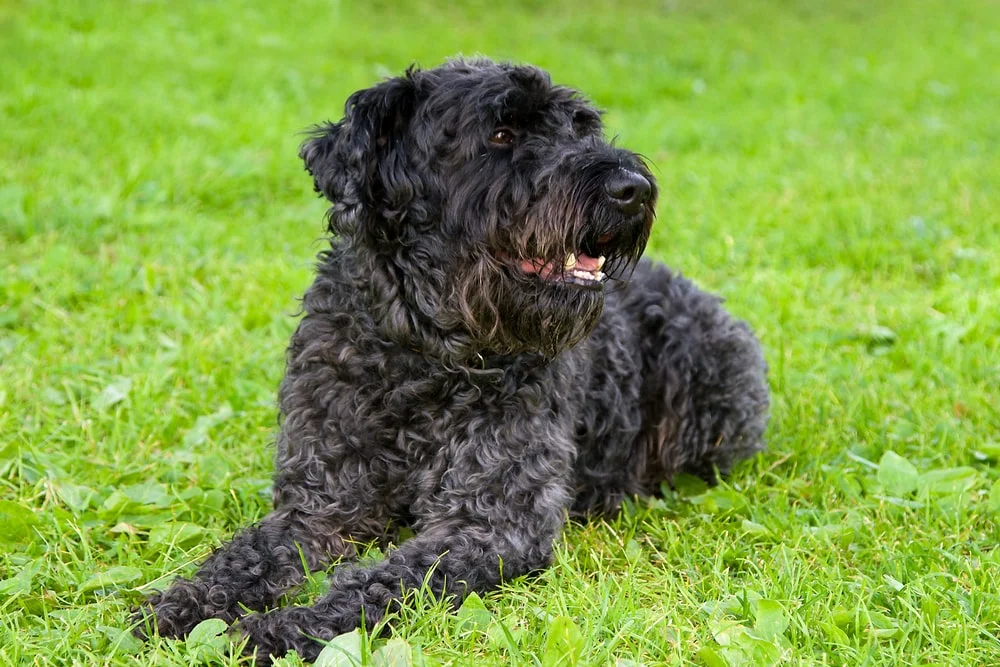 This feisty and friendly wee Terrier makes a wonderful addition to many homes. As a low-shedder, they are popular amongst those who dislike the sight of family fur around the home. But be warned; they do require daily brushing and a trip to an experienced and professional groomer for clipping every four to six weeks.
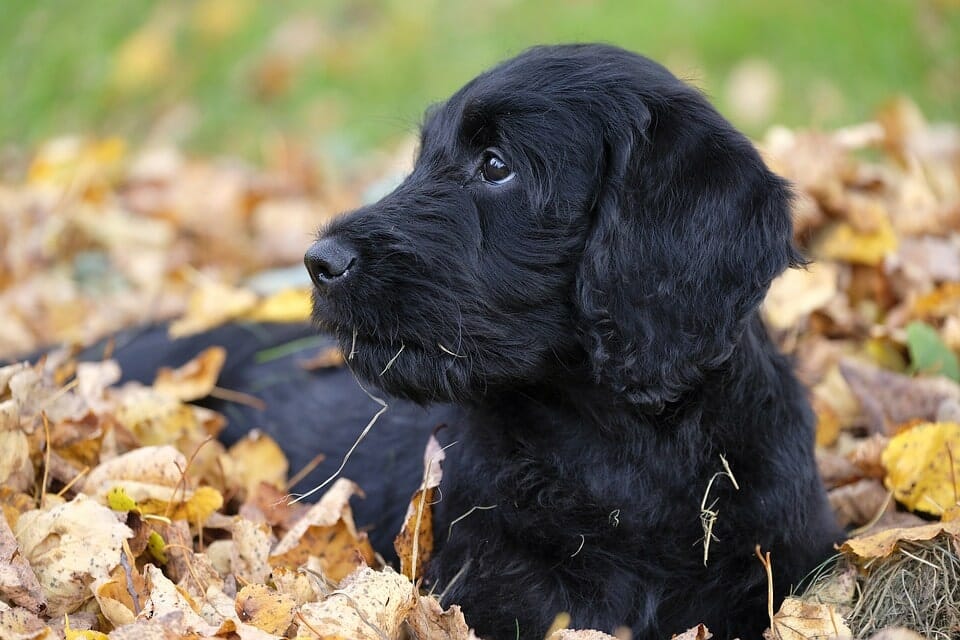 A popular and relatively new breed to the low-shedding category. They were originally developed as hypoallergenic guide dogs with a low-shedding coat. Like all dog breeds, the breeder is vitally important when purchasing a Labradoodle to check for quality with coat and breed. They have three different coats – Hair Coat, Wool Coat, and Fleece Coat. Fleece and Wool are the lowest of the shedding varieties for this breed. All coat types must be brushed weekly to promote healthy skin and remove dead and loose hair.
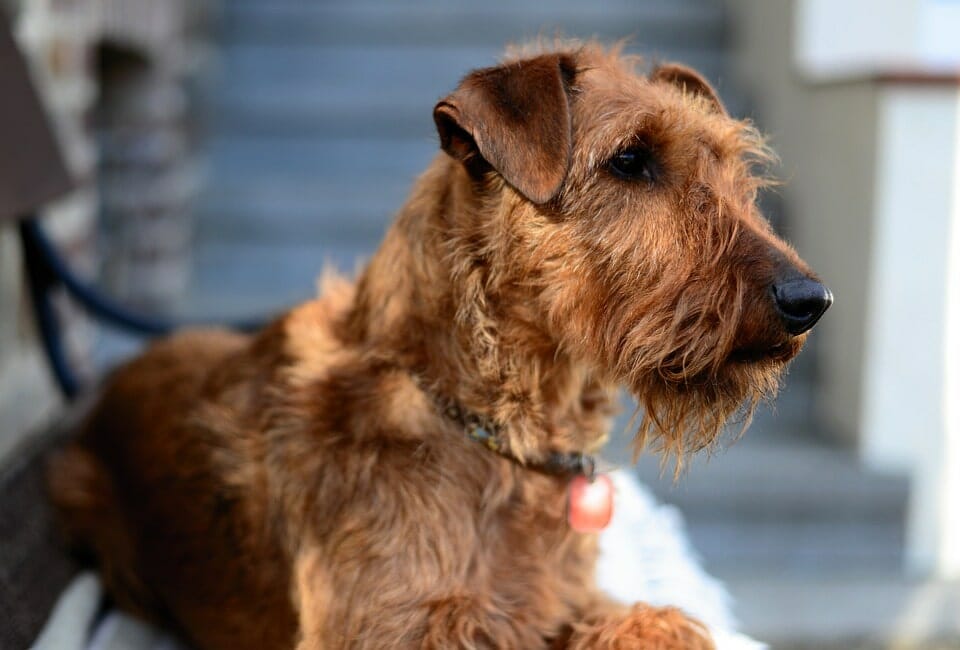 This tough terrier bares wiry and dense hair that comes in the form of a double coat. Like all double-coated breeds, the dead hair will become trapped in the undercoat, so the ‘shedding’ will need to be manually removed by brushing your Irish Terrier weekly. They will also require a professional pluck or strip every six months to remove loose hair and promote healthy hair growth.
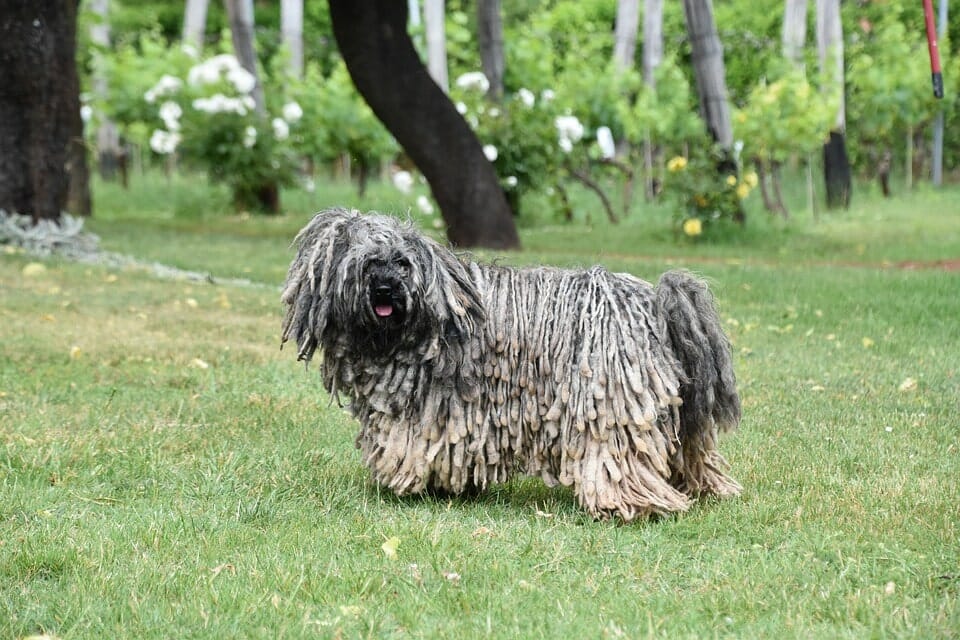 The Puli is certainly a head-turning with their long dreadlocks and wonderful nature. Their ‘cords,’ however, will need some attention as young dogs may need to help the cords form by separating them until the adult coat appears. When still fluffy; the coat will need to be brushed regularly to remove dirt and matts. The formed corded coat will not need brushing, but it will need to be separated and cleaned. Ask for advice from your professional breeder about coat care with this specific breed.
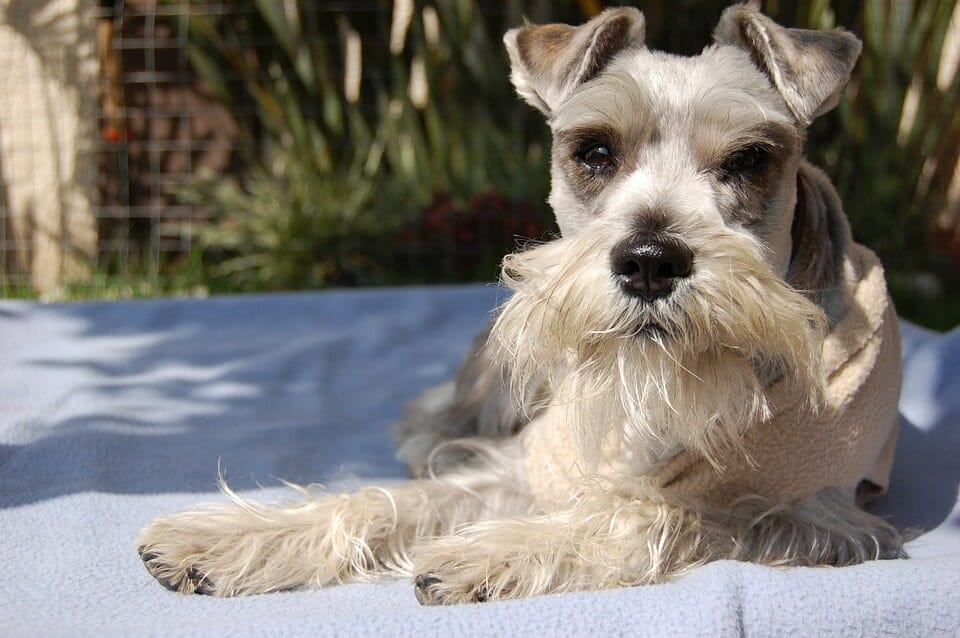 This popular breed is also a wonder when it comes to shedding. Having a double coat, the wiry exterior will help trap the loose hairs of the soft undercoat. They will require a good amount of grooming to keep them looking their best and also free from painful mating. Their beard and legs will need daily grooming and the coat will require hand stripping every six months. Remembering that if you choose to clip instead of strip your pup will shed more.
 This precious canine companion has a lovely, long, and beautiful coat. The hair can be wavy or straight and will need daily grooming to prevent tangles and matts from forming. This breed takes a lot of time and energy to keep them looking beautiful. If you do not have the time to dedicate to this breed on a daily basis it’s best to look for another low-shedding breed. Having a double coat is important to ensure you reach the undercoat to remove tangles. Many Tibetan Terrier owners enlist the expertise of a professional groomer to help.
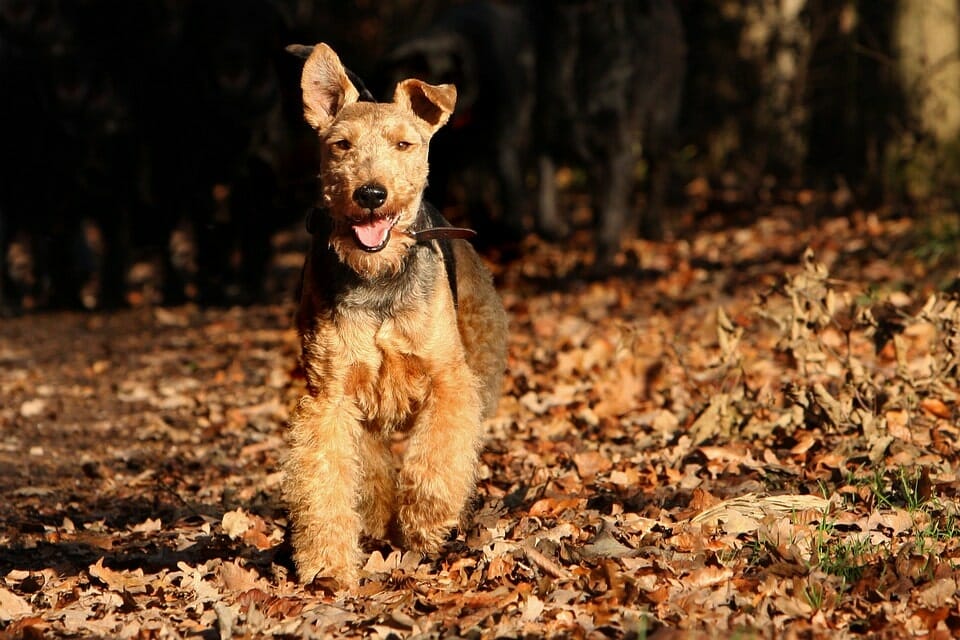 This breed is well known for its funny antics and lively characteristics and, like most low-shedding breeds, will require a fair amount of grooming attention. They need to be brushed three times or more per week unless they are clipped. Remember that clipping will make your chosen breed shed slightly more. Some owners opt out of clipping and have their dog’s coats professionally stripped every six months to remove dead hair.
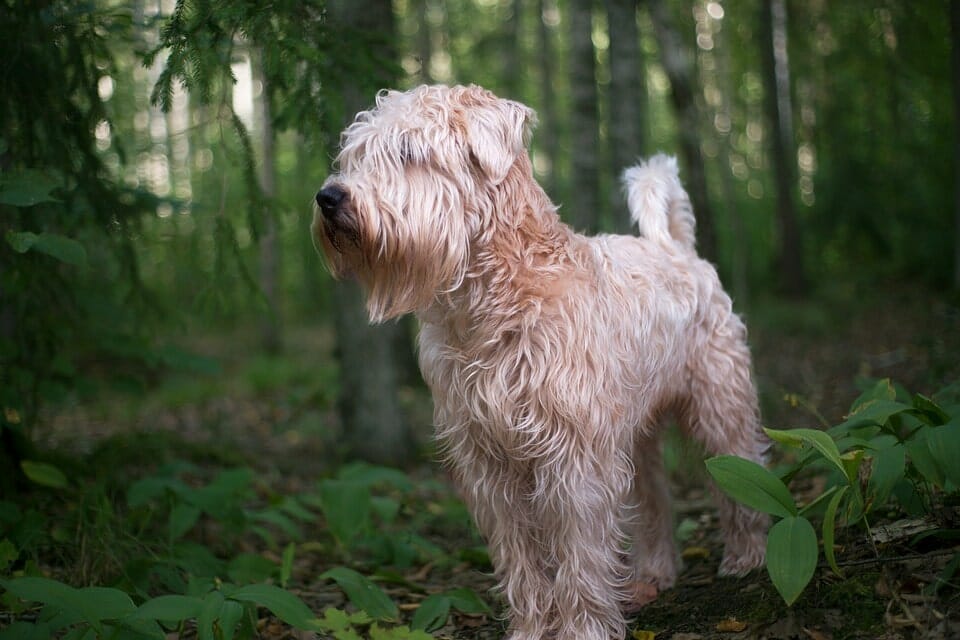 The stunning and silky coat of this adorable breed is certainly a head-turner. Only having a single coat grooming isn’t too difficult; however, they will require daily grooming to prevent matts and tangles from forming. Some owners prefer the scruffier look of their adorable pooches, meaning you can reduce this to three times per week. Some owners opt to have their dogs taken to a groomer to help with the trimming and clipping.
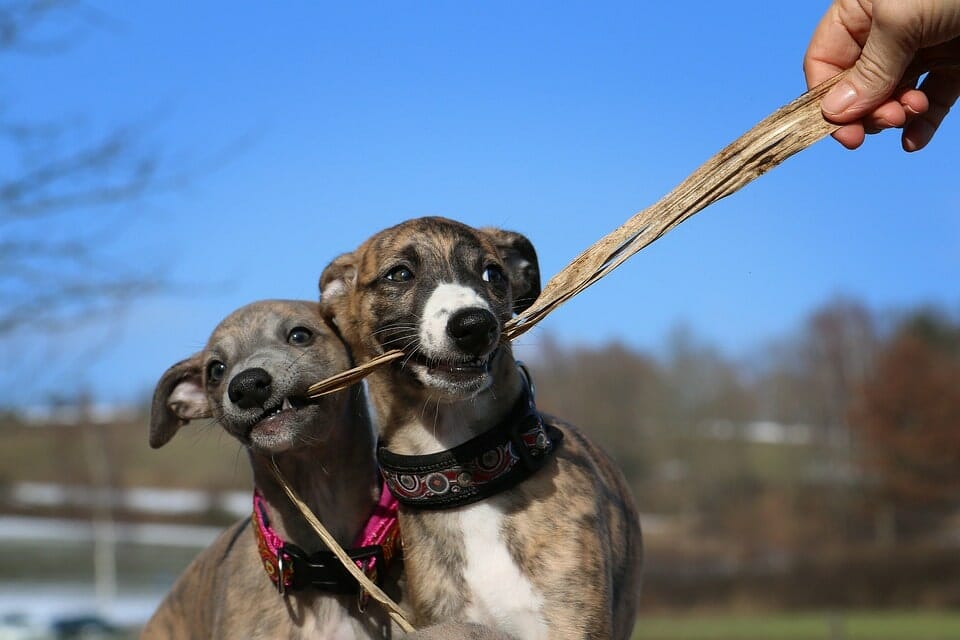 The Whippet is a popular and energetic dog that is a favourite amongst low-shedding owners. They are a wash-and-wear breed, meaning they only require minimal grooming to keep them in tip-top shape. A weekly brush will do the job to help remove dead or loose hairs. Care needs to be taken to keep your Whippet’s skin in good condition as the coat is so short and thin that it is not uncommon for their skin to have small injuries and tears.